
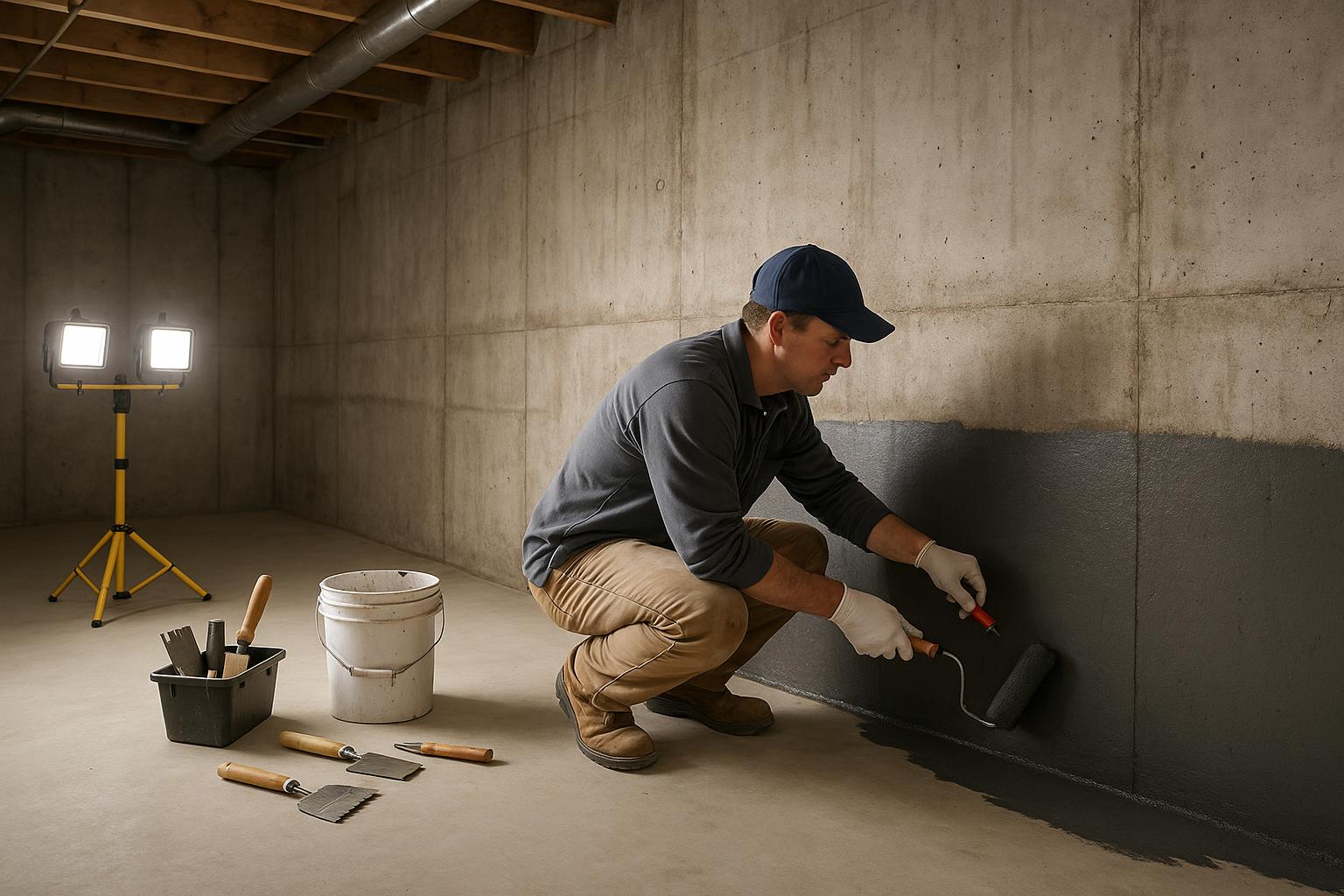
The Question Every La Jolla Homeowner Should Ask Before Finishing a Basement
You've decided to finish your basement. Maybe you want a home theater, an extra bedroom, or just more usable square footage. You're excited about the possibilities — and then someone mentions waterproofing. Suddenly, you're wondering whether it's really necessary or just an upsell.
Here's the honest answer: basement waterproofing before finishing isn't optional. It's the foundation (literally) that protects every dollar you invest in your new space. And in La Jolla, where coastal moisture, seasonal rain, and shifting soil conditions are part of life, skipping this step is one of the most expensive mistakes a homeowner can make.
Why Basements Get Wet — Even in Southern California
There's a common misconception that because La Jolla enjoys a mild, dry climate, basement moisture isn't a real concern. But moisture problems in basements rarely come from dramatic flooding. They come from subtler, more persistent sources:
- Hydrostatic pressure: Groundwater pushes against your foundation walls and floor slab, forcing moisture through microscopic cracks and pores in the concrete.
- Condensation: When warm, humid coastal air meets the cooler surfaces of a below-grade space, condensation forms on walls, pipes, and floors.
- Poor drainage: If your home's grading directs rainwater toward the foundation instead of away from it, water can pool against basement walls during winter storms.
- Capillary action: Concrete is porous. Even without visible cracks, moisture can wick through the slab and walls over time.
La Jolla's proximity to the coast means humidity levels are higher than many inland areas. That marine layer doesn't just affect your morning commute — it affects your basement environment year-round.
What Happens When You Finish a Wet Basement
Let's say you skip waterproofing and go straight to framing, insulating, and drywalling. Everything looks great on day one. But within months — sometimes weeks — problems start showing up:
- Mold and mildew growth: Trapped moisture behind finished walls creates the perfect breeding ground for mold. You won't see it until the damage is severe, and remediation is costly.
- Musty odors: Even without visible mold, a damp basement develops that unmistakable musty smell that permeates furniture, carpet, and clothing stored in the space.
- Warped framing and damaged drywall: Wood framing absorbs moisture, swells, and eventually rots. Drywall wicks water and crumbles. You'll be tearing out walls you just paid to build.
- Ruined flooring: Carpet becomes a sponge. Laminate buckles. Even engineered hardwood can fail if the subfloor environment isn't properly controlled.
- Health concerns: Mold spores circulate through your HVAC system and into the rest of your home. For families with allergies, asthma, or young children, this is a serious health risk.
The bottom line is that finishing a basement without addressing moisture first doesn't save money. It guarantees you'll spend more later — often two to three times the cost of doing it right from the start.
What Basement Waterproofing Actually Involves
Waterproofing isn't a single product or technique. It's a system of solutions tailored to your specific home and conditions. Here's what a comprehensive approach typically includes:
Interior Drainage Systems
A perimeter drain system installed along the interior base of your foundation walls captures water before it reaches your finished space. This water is directed to a sump pump that removes it from the basement entirely.
Sump Pump Installation
A reliable sump pump with a battery backup is your last line of defense. During heavy rains or if your primary pump fails, the backup keeps water from accumulating.
Vapor Barriers
Polyethylene vapor barriers are installed on walls and sometimes floors to block moisture migration through the concrete. This is especially important in La Jolla homes where coastal humidity is a constant factor.
Crack Repair and Sealing
Foundation cracks — even hairline ones — are entry points for water. Professional crack injection and sealing stops active leaks and prevents future ones.
Exterior Grading and Drainage
Sometimes the fix starts outside. Correcting the grade around your foundation and ensuring downspouts direct water well away from the house can eliminate a major source of basement moisture.
Dehumidification
In a finished basement, a properly sized dehumidifier maintains consistent humidity levels and prevents condensation, especially during the warmer months when the marine layer rolls in.
How Waterproofing Protects Your Investment
A finished basement is one of the best returns on investment for homeowners in La Jolla. It adds livable square footage without expanding your home's footprint, and it can significantly increase your property's resale value. But that return only holds if the space stays dry, comfortable, and structurally sound for years to come.
Waterproofing protects:
- Your renovation budget: No costly tear-outs or mold remediation down the road.
- Your home's value: Buyers and inspectors look for moisture issues. A properly waterproofed basement is a major selling point.
- Your family's health: Clean, dry air in a below-grade space means healthier air throughout your entire home.
- Your peace of mind: You'll actually use and enjoy the space instead of worrying every time it rains.
When Should Waterproofing Happen in the Project Timeline?
Waterproofing should always happen before any finishing work begins. It's the very first phase of a responsible basement finishing project. Here's the ideal sequence:
- Assessment and moisture testing of the existing basement
- Waterproofing and drainage system installation
- Verification that the space is dry and stable
- Framing, electrical, plumbing, and HVAC rough-in
- Insulation and drywall
- Flooring, trim, and finish work
At Sunrise Basement Finishers, we build waterproofing into every project plan from the beginning. We don't treat it as an add-on — we treat it as the essential first step it is. Our team evaluates your La Jolla home's specific conditions and recommends the right combination of solutions before a single wall goes up.
Don't Build on a Problem — Solve It First
Your basement has incredible potential. Whether you're envisioning a home theater, a private office, or a space for the kids to spread out, the finished result should be something you're proud of for decades. That starts with making sure the space is dry, protected, and ready for everything you're about to build.
If you're considering a basement finishing project in La Jolla or the surrounding communities like Del Mar, Pacific Beach, or University City, talk to us before you start. We'll assess your moisture situation honestly and make sure your investment is built on solid, dry ground.